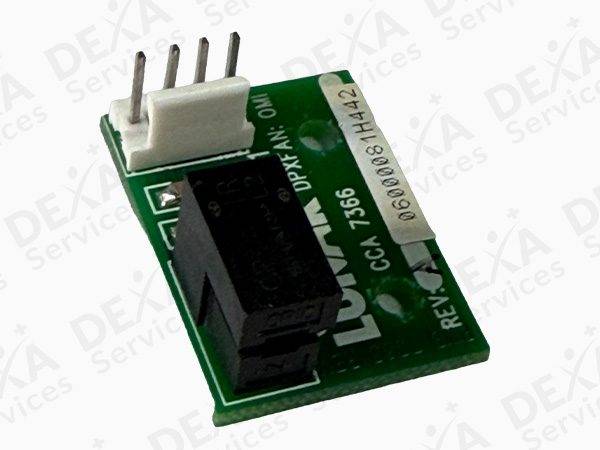
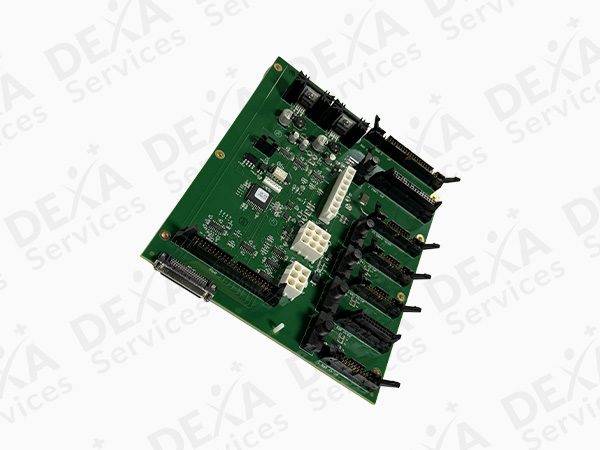
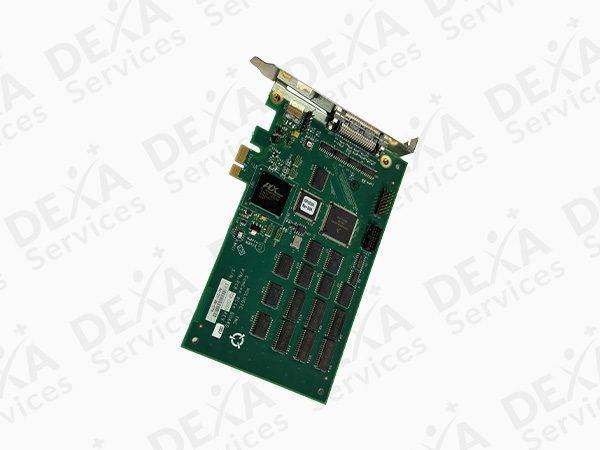
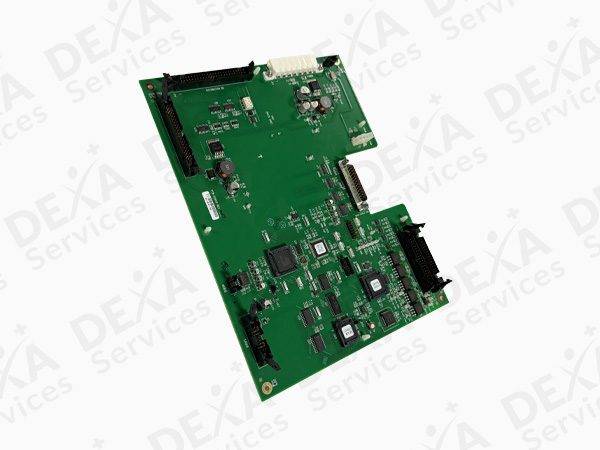
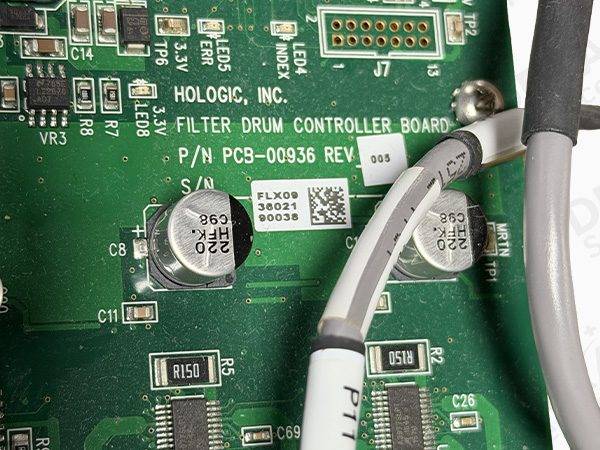
LNR7366 OMI BD Replacement Board for GE DEXA P1–P6 Systems
The LNR7366 OMI BD is a specialized internal circuit board used within GE DEXA systems configured from P1 through P6. This board plays an integral role in system-level communication and internal signal processing that supports bone densitometry scanning operations.
For service providers, imaging centers, and biomedical engineering teams maintaining legacy GE DEXA platforms, replacing a failed or unstable OMI board is often the difference between extended downtime and immediate operational recovery.
DEXA scanners represent high-revenue diagnostic equipment. When an internal board such as the LNR7366 fails, the system may exhibit communication faults, calibration inconsistencies, intermittent shutdowns, or boot errors. Replacing the defective board with a tested and validated LNR7366 OMI BD allows facilities to restore predictable performance without replacing the entire system.
DEXA Services supplies this board as a cost-effective solution for facilities maintaining GE DEXA P1–P6 configurations.
Why the LNR7366 OMI BD Is Critical to System Stability
GE DEXA scanners rely on precise communication between multiple internal modules. The OMI BD board supports this structured communication chain. When signal integrity is compromised, overall scan reliability declines.
Common symptoms of OMI board failure may include:
-
System initialization errors
-
Inconsistent calibration feedback
-
Communication faults between modules
-
Failure to recognize certain internal components
-
Intermittent scan interruption
Replacing the LNR7366 OMI BD restores the internal board architecture required for consistent operation across P1 through P6 configurations.
Key Features & Benefits of the LNR7366 OMI BD
Reliable Restoration of Internal Communication
The board supports internal signal pathways essential for stable GE DEXA performance. Installing a properly tested LNR7366 board reestablishes module synchronization.
Compatible with GE DEXA P1–P6 Systems
Designed for use within GE DEXA configurations labeled P1 through P6, this board is suitable for service contracts managing multiple system generations.
Cost-Effective Alternative to Full System Replacement
Replacing a failed board significantly reduces capital expenditure compared to replacing the entire DEXA unit. Ideal for refurbishment programs and cost-controlled imaging departments.
Tested for Operational Integrity
Each board supplied by DEXA Services undergoes inspection and validation to ensure it meets operational standards before shipment.
Supports Refurbished Equipment Programs
Organizations that refurbish GE DEXA systems depend on stable electronic infrastructure. The LNR7366 OMI BD is commonly required during system rebuilds and resale preparation.
Ideal Applications
The LNR7366 OMI BD is suitable for:
-
Hospital biomedical departments
-
Orthopedic imaging centers
-
Endocrinology clinics
-
Third-party imaging service providers
-
Equipment refurbishers
-
Medical equipment resellers
If your facility maintains GE DEXA systems in long-term operation, maintaining access to reliable replacement boards is essential for continuity of care and financial stability.
Extending the Life of GE DEXA Equipment
Healthcare facilities often operate GE DEXA scanners well beyond initial depreciation schedules. Strategic part replacement allows facilities to extend equipment lifespan while preserving scan accuracy.
Board-level replacements like the LNR7366 OMI BD provide:
-
Reduced capital investment
-
Predictable maintenance planning
-
Faster service resolution
-
Improved uptime metrics
-
Stronger ROI on imaging equipment
In environments where reimbursement depends on consistent diagnostic availability, minimizing downtime directly impacts revenue.
DEXA Services supports imaging providers by supplying dependable replacement components to keep GE DEXA platforms fully functional.