Overview of the LU40462ST Encapsulated Phantom
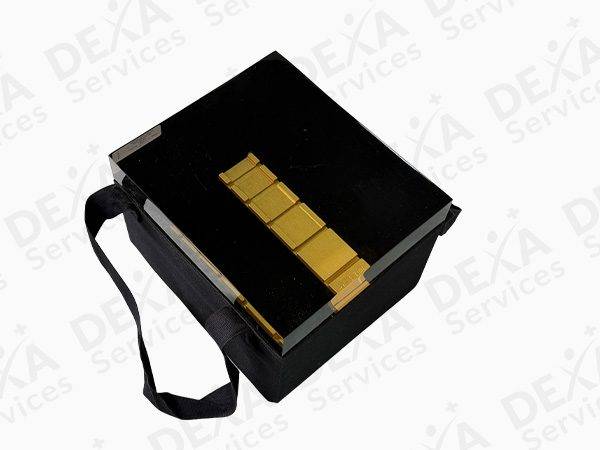
The LU40462ST Encapsulated Phantom is a critical calibration and quality assurance component used in GE DEXA systems, specifically compatible with P1 through P10 platforms. Designed to simulate bone density characteristics, this phantom enables facilities to verify system accuracy, ensure measurement consistency, and maintain compliance with clinical standards.
In bone densitometry, precision is essential. Even minor deviations in calibration can lead to inaccurate readings, affecting diagnostic reliability and long-term patient monitoring. The LU40462ST phantom provides a stable reference point that allows technicians to validate system performance on a routine basis.
Encapsulated in a durable protective housing, this phantom is engineered for repeated use in demanding clinical environments. Its construction ensures that the internal calibration materials remain stable over time, providing consistent and repeatable results during QA procedures.
For facilities operating GE DEXA systems—especially refurbished units—maintaining calibration accuracy is vital. The LU40462ST Encapsulated Phantom plays a key role in ensuring that these systems continue to deliver reliable and clinically acceptable results.
Key Features / Benefits of the LU40462ST Encapsulated Phantom
Ensures Accurate Calibration and Quality Assurance
The primary function of the LU40462ST Encapsulated Phantom is to provide a reliable reference standard for system calibration. By simulating known density values, it allows technicians to confirm that the DEXA system is producing accurate measurements.
Supports Regulatory Compliance
Healthcare facilities are required to perform routine quality assurance checks on diagnostic equipment. This phantom helps meet compliance requirements by enabling consistent and documented QA testing procedures.
Compatible with Multiple GE DEXA Platforms
Designed for P1 through P10 systems, this phantom offers broad compatibility across GE DEXA equipment. This makes it a versatile solution for facilities managing multiple units or maintaining legacy systems.
Durable Encapsulated Construction
The encapsulated design protects the internal calibration materials from environmental factors such as moisture, temperature fluctuations, and physical damage. This ensures long-term stability and reliability.
Improves Long-Term Measurement Consistency
Routine use of the LU40462ST phantom helps detect system drift or calibration issues early. By identifying these changes, facilities can take corrective action before inaccuracies impact patient data or reporting.
Essential for Refurbished System Maintenance
Refurbished GE DEXA systems require strict quality control to ensure they perform to expected standards. Incorporating a reliable calibration phantom into maintenance protocols helps extend system life and maintain clinical confidence.
Importance of Calibration Phantoms in DEXA Systems
Calibration phantoms are not optional accessories—they are essential tools for maintaining the integrity of bone density measurements. Over time, all imaging systems experience slight variations in performance due to component wear, environmental conditions, and usage patterns.
Without regular calibration checks, these variations can accumulate, leading to inconsistent or inaccurate results. The LU40462ST Encapsulated Phantom provides a consistent benchmark that allows facilities to monitor system performance and ensure that results remain within acceptable tolerances.
For organizations conducting longitudinal studies or tracking patient bone density over time, consistency is especially important. Even small discrepancies can affect trend analysis and clinical decisions. Using a high-quality phantom ensures that measurements remain comparable across different time points.
Applications
The LU40462ST Encapsulated Phantom is used in:
- Routine QA and calibration of GE DEXA systems
- Facilities operating P1–P10 platforms
- Imaging centers maintaining refurbished DXA equipment
- Hospitals and clinics requiring compliance with QA protocols
- Service providers performing system validation and maintenance