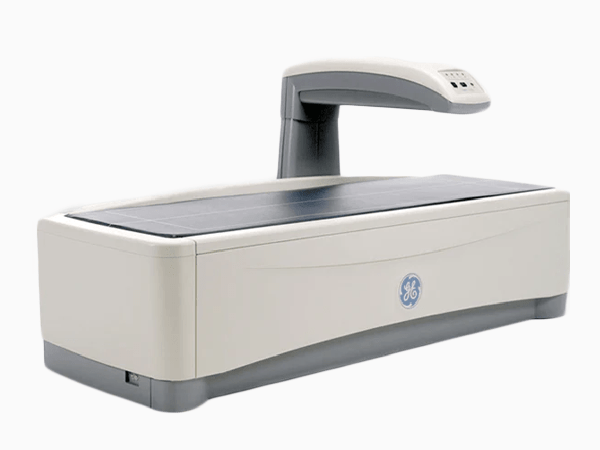
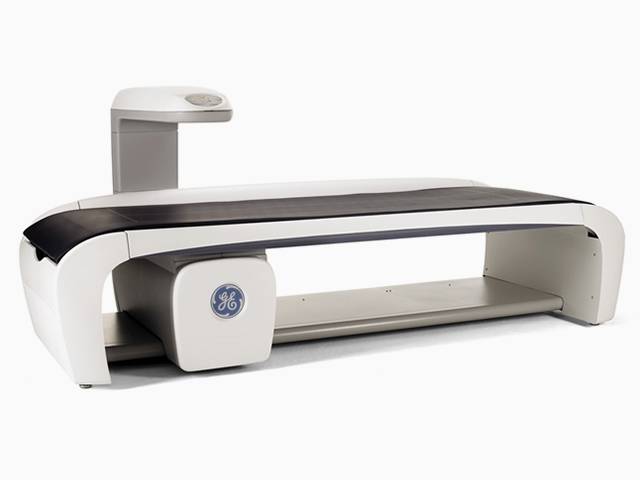
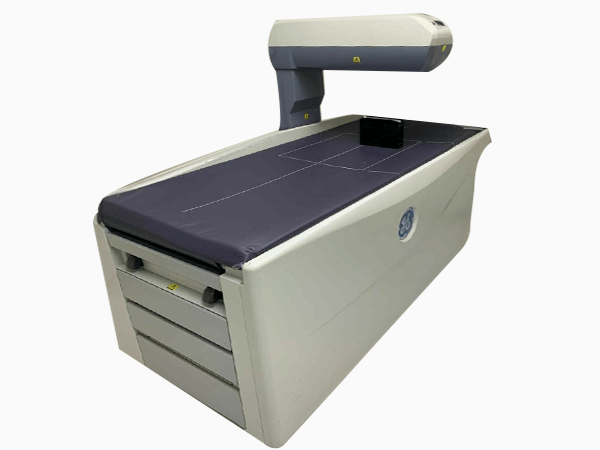
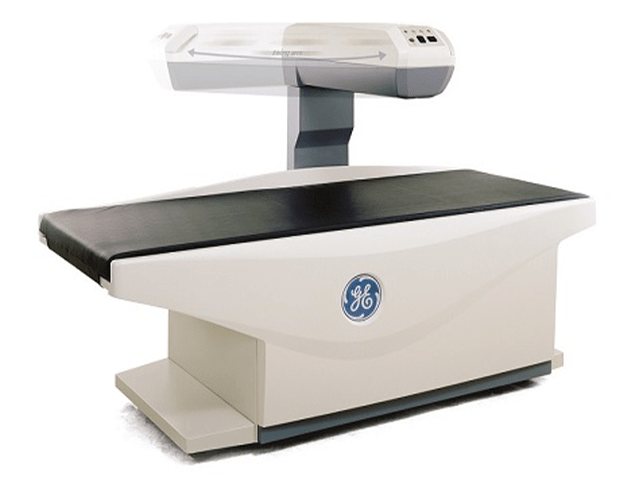
GE Prodigy Bone Densitometer — Refurbished Lunar Prodigy DXA System
Overview
The GE Prodigy Bone Densitometer is one of the most widely deployed dual-energy X-ray absorptiometry (DXA) systems in clinical practice. Known for its reliability, accuracy, and efficiency, the Lunar Prodigy platform provides comprehensive bone health and body composition analysis while maintaining low radiation exposure and streamlined workflow.
DEXA Services offers professionally refurbished GE Prodigy systems—including Prodigy Pro, Prodigy Primo, and Prodigy Advance models—restored to meet rigorous performance standards. Each unit undergoes detailed inspection, component replacement as needed, calibration, and quality verification to ensure dependable operation in demanding healthcare environments.
For practices managing osteoporosis, metabolic conditions, or long-term bone health monitoring, consistent and reproducible measurements are essential. The Prodigy system excels in delivering precise bone mineral density (BMD) data across key anatomical regions such as the spine, hip, and forearm. Its proven accuracy supports confident diagnosis, treatment planning, and longitudinal follow-up.
In addition to skeletal assessment, the Prodigy platform provides detailed analysis of soft tissue composition, including lean mass, fat mass, and percentage body fat. These capabilities support a wide range of specialties, from endocrinology and bariatric medicine to sports science and preventive care.
Because DXA technology is recognized as the clinical gold standard for osteoporosis evaluation, investing in a refurbished GE Prodigy system enables facilities to deliver high-value diagnostic services without the financial burden associated with new imaging equipment. This makes it an ideal solution for expanding practices, satellite clinics, and facilities replacing aging systems.
Key Features / Benefits
Proven Clinical Reliability
The GE Prodigy system has a long track record of dependable performance in hospitals and imaging centers worldwide. Its mature design and stable technology platform reduce operational risks and training requirements.
Precision Bone Mineral Density Assessment
Accurate BMD measurement is critical for diagnosing osteoporosis and evaluating fracture risk. The Prodigy system delivers reproducible results across multiple anatomical sites, enabling clinicians to monitor disease progression and treatment effectiveness.
Comprehensive Body Composition Analysis
Beyond bone density, the system evaluates soft tissue composition, providing valuable insights into metabolic health. Measurements include lean tissue mass, fat tissue mass, and body fat percentage, supporting personalized treatment strategies.
Low Radiation Dose
DXA scanning uses minimal radiation compared to conventional imaging modalities. The Prodigy system maintains this advantage while delivering clinically useful data, making it suitable for routine monitoring and longitudinal studies.
Efficient Workflow and Throughput
Fast scan times and intuitive software help streamline operations, allowing facilities to manage higher patient volumes without sacrificing quality. Reports can be generated quickly, improving turnaround time for referring physicians.
Flexible Clinical Applications
The refurbished Prodigy system supports a broad spectrum of uses:
- Osteoporosis diagnosis and management
- Fracture risk assessment
- Body composition studies
- Pediatric bone evaluation
- Research applications
This versatility maximizes return on investment and equipment utilization.
Cost-Effective Refurbished Solution
Purchasing a refurbished unit from DEXA Services significantly reduces capital expenditure while maintaining clinical capability. This allows organizations to deploy advanced diagnostic services sooner and allocate resources more efficiently.
Simplified Training and Integration
Because the Prodigy platform is widely used, many technologists and clinicians are already familiar with its operation. This reduces onboarding time and facilitates seamless integration into existing workflows.