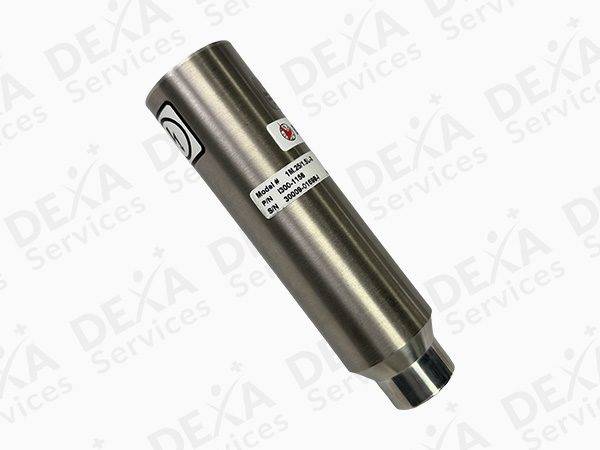
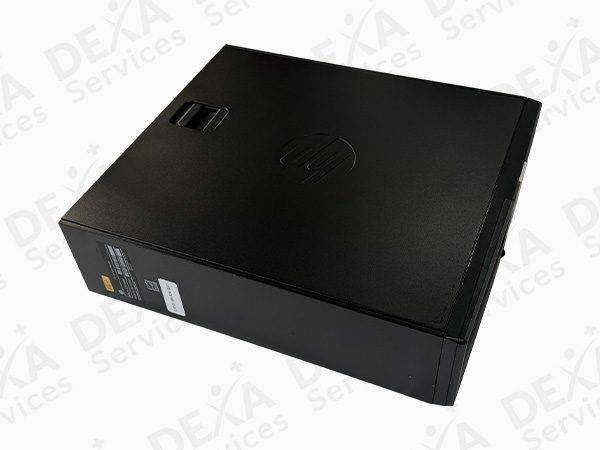
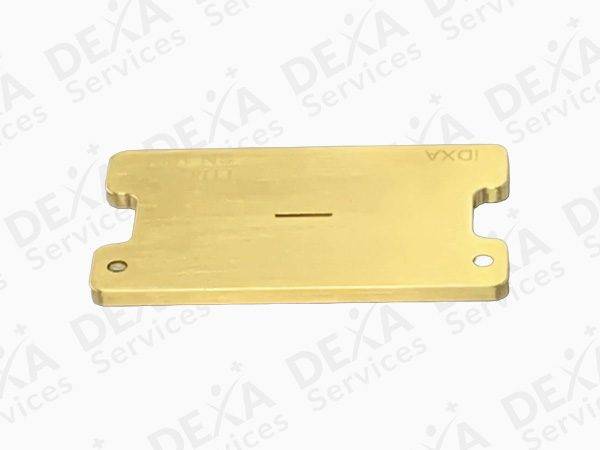
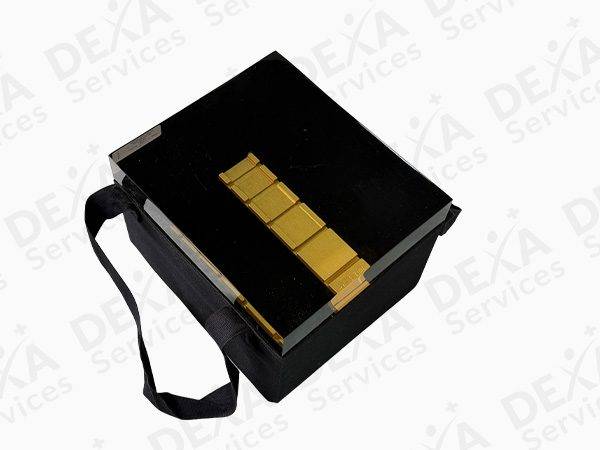
LNR1855 Detector Assy for GE DPX NT, BRAVO & DUO
Overview
The LNR1855 Detector Assy (also referenced as LU1855) is a critical imaging component used in GE Lunar DPX NT, BRAVO, and DUO bone densitometry systems. This detector assembly is responsible for capturing X-ray signal data during bone mineral density scans and converting it into the precise imaging information required for diagnostic accuracy.
For imaging centers, hospitals, orthopedic practices, and diagnostic facilities operating legacy GE DEXA platforms, maintaining detector performance is essential. Signal degradation, calibration drift, or hardware fatigue can directly impact scan reliability and compliance standards.
DEXA Services supplies thoroughly inspected and performance-validated LNR1855 and LU1855 detector assemblies designed to restore system functionality while extending the lifecycle of existing equipment. This is particularly valuable for facilities managing refurbished units or cost-controlled imaging departments.
Why Detector Assemblies Matter in DEXA Systems
In GE Lunar DPX NT, BRAVO, and DUO systems, the detector assembly plays a central role in:
A failing detector can lead to:
-
Inconsistent scan results
-
Error codes or system faults
-
Extended calibration times
-
Increased service intervention
Replacing the detector assembly with a tested LNR1855 unit ensures restored system stability without the cost of full platform replacement.
Key Features / Benefits of LNR1855 Detector Assy
✔ Designed for GE Lunar Compatibility
The LNR1855 and LU1855 detector assemblies are specifically engineered for use in:
-
GE Lunar DPX NT
-
GE Lunar BRAVO
-
GE Lunar DUO
This ensures seamless integration without firmware conflicts or signal mismatches.
✔ Ideal for Refurbished System Deployments
Many imaging centers deploy refurbished DEXA systems to maintain cost efficiency. This detector assembly supports those deployments by restoring original performance benchmarks.
✔ Precision Signal Integrity
Each detector assembly is evaluated for signal consistency and response accuracy to maintain measurement reliability in bone mineral density testing.
✔ Reduced Downtime
Rapid replacement capability minimizes disruption in:
✔ Cost-Effective Capital Management
Replacing the detector assembly instead of upgrading the entire DEXA system significantly reduces capital expenditure while maintaining operational capability.
Operational Impact for Clinical Facilities
For facilities operating aging GE Lunar platforms, component-level replacements such as the LNR1855 Detector Assy provide strategic advantages:
-
Extends equipment lifespan
-
Maintains reimbursement compliance
-
Supports continued diagnostic service delivery
-
Protects return on investment for refurbished equipment
In competitive healthcare markets, downtime can result in revenue loss and patient rescheduling. Proactive replacement of deteriorating detector assemblies protects both revenue and operational continuity.
Who Typically Purchases This Component?
This detector assembly is commonly sourced by:
-
Biomedical engineering departments
-
Independent imaging centers
-
Third-party service providers
-
DEXA refurbishment companies
-
Equipment resellers
DEXA Services specializes in supplying replacement components specifically for businesses operating GE Lunar DEXA systems — not individual patients or end users.
Why Buy from DEXA Services?
DEXA Services focuses exclusively on bone densitometry replacement parts. This specialization ensures:
When sourcing mission-critical components like detector assemblies, expertise matters. Ordering incorrect or unverified parts can result in installation delays and further system faults.