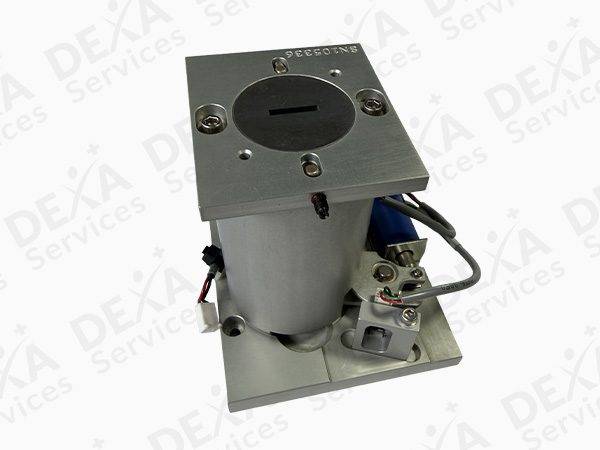
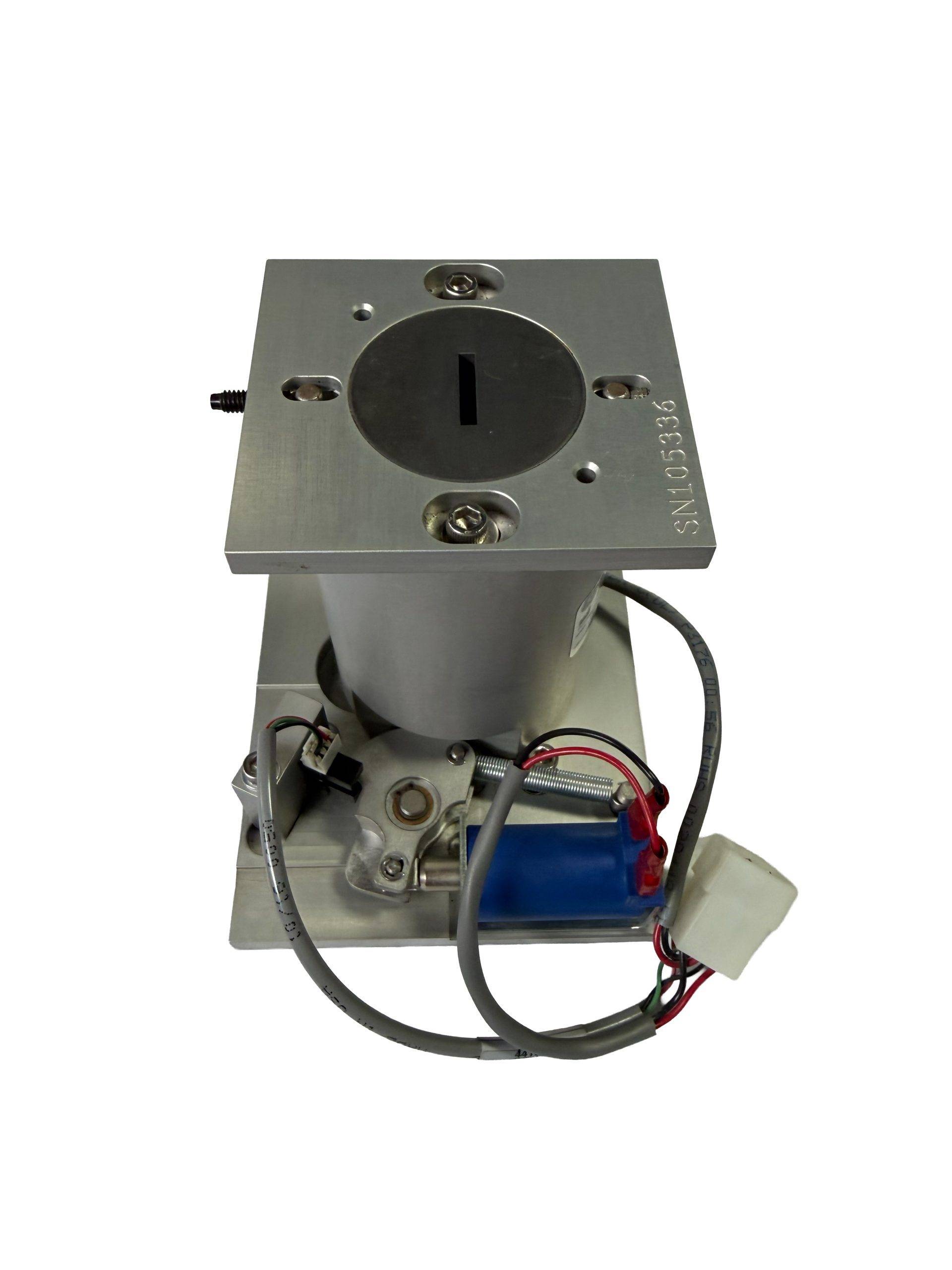
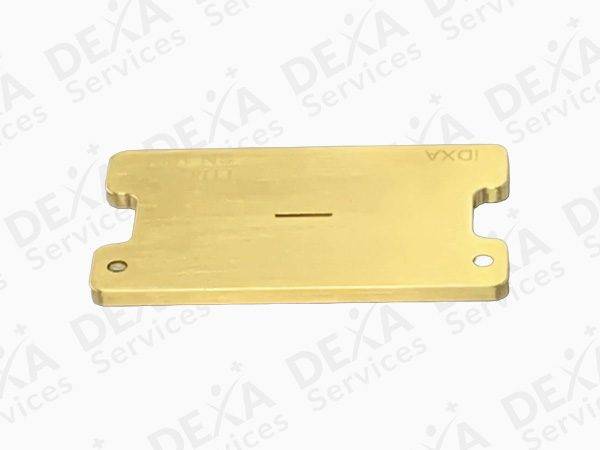
Overview of the LU8915 Collimator for GE Prodigy & iDXA
The LU8915 Collimator is a critical component within GE Prodigy and iDXA bone densitometry systems, responsible for controlling and shaping the X-ray beam during scanning procedures. Proper collimation is essential to ensure accurate imaging, minimize scatter radiation, and maintain consistent diagnostic results across all patient scans.
In DXA systems, even slight inconsistencies in beam alignment can lead to image distortion, reduced precision, and unreliable bone density measurements. The LU8915 collimator plays a direct role in maintaining beam integrity, ensuring that the X-ray output is properly focused on the intended scanning area. This allows for optimal image clarity and supports repeatable results, which are especially important for facilities conducting long-term patient monitoring.
For imaging centers, hospitals, and service providers maintaining refurbished GE Prodigy or iDXA units, replacing worn or malfunctioning components like the collimator is essential to sustaining performance standards. The LU8915 offers a reliable solution for restoring system accuracy while extending the operational life of the equipment.
Key Features / Benefits of the LU8915 Collimator
Precision Beam Control
The primary function of the LU8915 collimator is to regulate and direct the X-ray beam. By maintaining proper beam shape and alignment, it ensures that scans are accurate and consistent. This is critical for producing high-quality images and minimizing unnecessary radiation exposure.
Improved Image Quality and Consistency
A properly functioning collimator reduces scatter and enhances signal clarity, resulting in sharper images and more reliable data. This is especially important in bone density analysis, where precision directly impacts diagnostic confidence.
Compatibility with GE Prodigy and iDXA Systems
Designed specifically for GE DXA platforms, the LU8915 collimator integrates seamlessly into Prodigy and iDXA systems. Its compatibility ensures proper fitment and optimal performance without requiring system modifications.
Supports Equipment Calibration and Compliance
Maintaining accurate beam alignment is essential for calibration protocols and regulatory compliance. Replacing a worn collimator helps ensure that your system continues to meet operational standards and passes routine quality assurance checks.
Durable Construction for Clinical Environments
Built to withstand the demands of daily use, the LU8915 collimator is manufactured with high-quality materials that maintain structural integrity over time. This durability reduces the frequency of replacements and supports long-term cost efficiency.
Essential for Refurbished System Performance
For facilities operating refurbished DXA units, component reliability is key. The LU8915 collimator helps restore system functionality, making it an essential part of any refurbishment or maintenance program.
Why the Collimator Is Critical in DXA Systems
The collimator is not just a passive component—it directly influences scan accuracy and system efficiency. By narrowing and directing the X-ray beam, it ensures that only the intended area is exposed, reducing noise and improving measurement precision.
Over time, collimators can degrade due to mechanical wear or environmental factors. This can result in beam misalignment, increased scatter radiation, and compromised image quality. Replacing the collimator with a properly functioning LU8915 unit helps maintain the integrity of your imaging system and prevents costly inaccuracies.
For facilities focused on delivering consistent diagnostic results, maintaining the collimation system is a necessary step in ensuring equipment reliability.
Applications
The LU8915 Collimator is used in:
- GE Prodigy DXA systems
- GE iDXA systems
- Imaging centers performing bone density testing
- Hospitals and clinics maintaining DXA equipment
- Service providers refurbishing or repairing DXA systems